
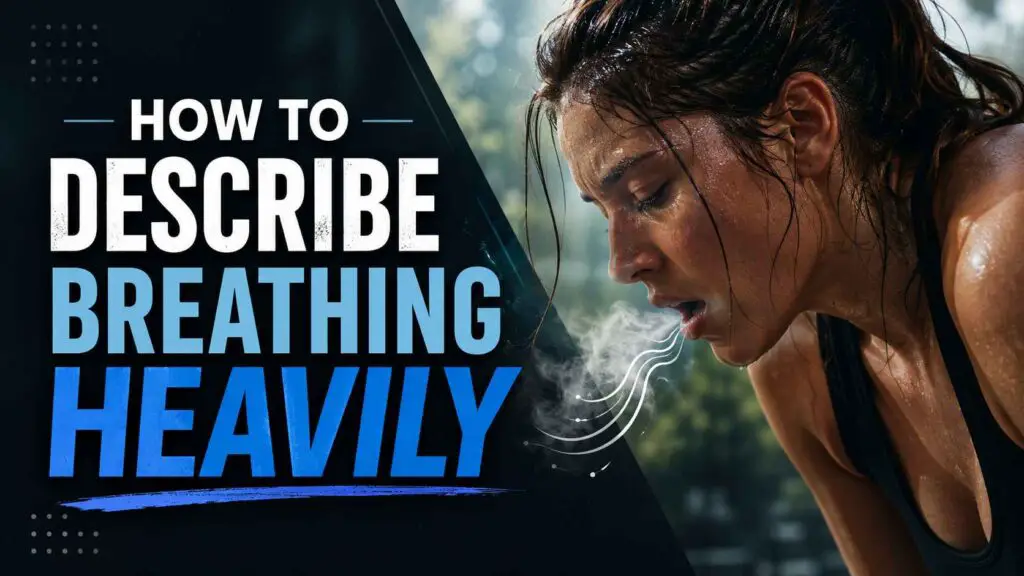
Heavy breathing is more than a physical reaction. In writing, it can reveal fear, exhaustion, excitement, anger, anticipation, relief, or intense emotion without directly stating how a character feels. Instead of telling readers that a character is scared or tired, carefully describing their breathing allows those emotions to emerge naturally through their actions and physical responses.
The way someone breathes often changes with the situation. A runner may pant after a race, while someone facing danger might take short, sharp breaths. A grieving character may struggle through shuddering breaths, while a determined hero may steady themselves with slow, deep inhalations before taking action. Choosing descriptions that fit the context makes scenes feel more authentic and emotionally engaging.
Heavy breathing can also influence the pacing of a scene. Quick, uneven breaths can make action sequences feel frantic and urgent, while slow, labored breathing can draw attention to a character’s pain, exhaustion, or emotional struggle. By varying your descriptions, you create a richer reading experience that helps readers visualize and feel each moment.
Whether you’re writing a novel, short story, screenplay, or fan fiction, using varied descriptions of heavy breathing keeps your writing fresh and avoids repetitive phrases like “he breathed heavily.” Below are different ways to describe heavy breathing, along with explanations and examples to help bring your scenes to life.
How to Describe Breathing Heavily
Heavy breathing can take many forms depending on the situation and the emotion behind it. Here are several effective ways to describe it in your writing.
#1. Gasping for Air
A character who is gasping struggles to get enough oxygen. This often happens after sprinting, during moments of panic, or following intense physical exertion. Gasping immediately creates a sense of urgency and vulnerability, allowing readers to feel the character’s physical limitations and emotional state. It also works well in action scenes where every breath matters. This type of description emphasizes desperation and can make fast-paced scenes feel even more intense by showing just how close a character is to reaching their physical limit. Because gasping is such an instinctive response, readers naturally associate it with danger, fatigue, or overwhelming emotion, making it an effective detail for creating dramatic tension.
“He bent over with his hands on his knees, gasping for air as each breath came in desperate, ragged bursts.”
“She reached the top of the hill, gasping so hard that speaking was impossible.”
#2. Panting
Panting involves quick, shallow breaths. It commonly follows running or intense activity, but it can also signal excitement, nervousness, fear, or anticipation. Depending on the surrounding context, panting can communicate physical exhaustion just as effectively as emotional tension. It is a versatile description because it fits both high-energy action sequences and quieter moments where emotions begin to overwhelm a character. The same action can take on completely different meanings depending on the scene, allowing writers to use it in a wide variety of situations without it feeling repetitive.
“He stood in the doorway, panting heavily after racing up five flights of stairs.”
“She panted softly, trying to steady herself before opening the door.”
#3. Ragged Breathing
Ragged breathing suggests uneven, rough breaths that are difficult to control. It often accompanies pain, emotional distress, or complete exhaustion. Because the rhythm of breathing is broken and irregular, this description helps create an atmosphere of struggle and intensity. Readers can easily picture a character fighting through physical or emotional hardship simply by focusing on the uneven pattern of each breath. This type of breathing also slows the reader’s attention, encouraging them to focus on the severity of the moment rather than rushing through the action.
“His ragged breathing echoed through the silent room as he fought to stay on his feet.”
“Between ragged breaths, she searched the darkness for any sign of movement.”
#4. Wheezing
Wheezing describes breathing that produces a high-pitched sound because of restricted airways. It can indicate illness, injury, asthma, smoke inhalation, or severe fatigue. Including wheezing in a scene not only describes breathing but also hints that something is physically wrong with the character. The audible nature of wheezing also adds another sensory layer to the scene, making it feel more vivid and immersive. Readers not only picture the character struggling but can almost hear the difficult breaths, increasing the realism of the scene.
“He wheezed with every breath, clutching his side after the collision.”
“Her breathing turned into a faint wheeze as she struggled through the smoke.”
#5. Huffing and Puffing
This phrase paints a familiar picture of someone physically exhausted after strenuous effort. It works well in lighter scenes as well as serious ones and instantly conveys that a character has pushed themselves beyond their normal limits. Because the expression is widely recognized, readers immediately understand the level of exertion without requiring a lengthy explanation. It is especially useful when the exact cause of the heavy breathing is already clear from the surrounding context.
“The hikers reached the summit huffing and puffing but smiling with satisfaction.”
“He arrived at the meeting huffing and puffing after missing the elevator.”
#6. Labored Breathing
Labored breathing emphasizes the effort required to inhale and exhale. It often signals injury, illness, or extreme fatigue. This description slows the pace of a scene and highlights just how difficult even basic breathing has become for the character. It is especially effective during dramatic moments because it forces readers to focus on every difficult breath the character takes. By emphasizing effort over speed, labored breathing can make even a quiet scene feel emotionally intense.
“Every breath was labored, as though invisible weights rested on his chest.”
“She listened to his labored breathing while waiting for the ambulance to arrive.”
#7. Short, Sharp Breaths
Short, sharp breaths frequently accompany anxiety, fear, shock, or intense stress. These quick inhalations reflect the body’s instinctive response to danger and can build suspense without directly describing a character’s emotions. Writers often use this technique to show rising panic while allowing readers to infer the emotional cause for themselves. This subtle “show, don’t tell” approach often creates a stronger emotional connection with readers than simply stating how a character feels.
“She took short, sharp breaths as footsteps drew closer behind her.”
“His chest rose and fell with short, uneven breaths while he processed the terrible news.”
#8. Deep, Heavy Breaths
Deep breathing often follows exertion or serves as an attempt to regain composure. It can also signal determination before taking action or preparing for a difficult conversation. This description is particularly useful when a character is trying to regain control over their emotions. It creates a natural pause in the action and often marks a turning point before an important decision or event. These slower breaths can also signal that a character is mentally preparing themselves for what comes next.
“He drew several deep, heavy breaths before stepping onto the stage.”
“She filled her lungs with slow, heavy breaths, forcing herself to remain calm.”
#9. Breath Catching in the Chest
Sometimes heavy breathing isn’t constant. A character’s breath may catch unexpectedly because of surprise, grief, fear, love, or overwhelming emotion. This subtle description often communicates a powerful emotional reaction with very few words. Since it is brief and understated, it works especially well in emotionally charged scenes where less description can have greater impact. A single caught breath can reveal more than an entire paragraph explaining a character’s feelings.
“His breath caught in his chest when he saw the abandoned house.”
“She felt her breath catch as the judge announced the verdict.”
#10. Chest Heaving
Describing the chest rather than the breath itself creates a vivid visual image. This technique works particularly well during action scenes, emotional confrontations, or moments of physical exhaustion because readers can clearly picture the character struggling to recover. Focusing on visible movement also allows other characters within the story to notice the person’s condition without needing internal narration. It is an effective way to show exhaustion from an outside perspective.
“His chest heaved as he leaned against the wall, struggling to recover.”
“She stood silently, her chest rising and falling with heavy, uneven breaths.”
#11. Breathing Through Clenched Teeth
This description combines heavy breathing with restrained emotion. It often suggests anger, pain, determination, or self-control. Rather than openly expressing emotion, the character is fighting to keep it contained. This makes it particularly useful during confrontations, injuries, or moments when a character refuses to show weakness. It communicates inner conflict while maintaining an outward appearance of control.
“He breathed through clenched teeth, refusing to cry out despite the injury.”
“She answered through clenched teeth, each breath revealing the effort it took to stay composed.”
#12. Shuddering Breaths
Shuddering breaths indicate that breathing is interrupted by trembling or overwhelming emotion. They commonly appear in scenes involving grief, relief, trauma, or emotional release. The trembling quality makes the emotional impact feel especially authentic. This description helps readers sense both the physical and emotional effects of an experience happening at the same time. It is particularly effective in scenes where emotions finally overwhelm a character after prolonged restraint.
“She drew shuddering breaths as tears finally began to fall.”
“His relief came in shuddering breaths after realizing everyone had survived.”
#13. Breaths Coming in Bursts
Instead of describing every inhale, writers can emphasize the rhythm of breathing. Breaths that come in bursts suggest urgency, physical strain, or frantic effort. This description works especially well during chase scenes or intense confrontations. The broken rhythm naturally increases the pace of the scene and reinforces the feeling that time is running out. It can also reflect a character who is desperately trying to keep moving despite overwhelming fatigue.
“His breaths came in short bursts as he sprinted across the empty parking lot.”
“She spoke between bursts of heavy breathing, unable to finish a complete sentence.”
#14. Air Burning the Lungs
This metaphor captures the sensation of breathing hard after intense exertion or exposure to harsh conditions. It helps readers imagine not only the character’s breathing but also the physical discomfort that accompanies it. By focusing on sensation instead of movement, this description creates a stronger emotional and physical connection with the reader. It reminds readers that heavy breathing is not just visible—it is often painful and difficult to endure.
“Cold air burned his lungs as he pushed through the final stretch of the race.”
“Every breath felt like fire as she forced herself to keep climbing.”
#15. Struggling to Catch a Breath
This expression emphasizes recovery after an intense physical or emotional experience. It signals that the character has reached their limit and needs a moment to regain control before continuing. It is an effective way to slow the pacing after a dramatic event and give readers a brief opportunity to absorb what has just happened. These moments of recovery often create space for reflection before the story moves into its next stage.
“He collapsed onto the bench, struggling to catch his breath after escaping the building.”
“She paused at the doorway, still trying to catch her breath before speaking.”
Closing Thoughts
Heavy breathing is a powerful storytelling tool because it communicates emotion, physical effort, and tension without explicitly naming them. By varying your descriptions and matching them to the scene, you can create stronger imagery and more believable characters. Whether your character is fleeing danger, recovering from exhaustion, fighting back tears, or preparing for a difficult challenge, choosing the right description of heavy breathing helps readers feel every moment alongside them.