
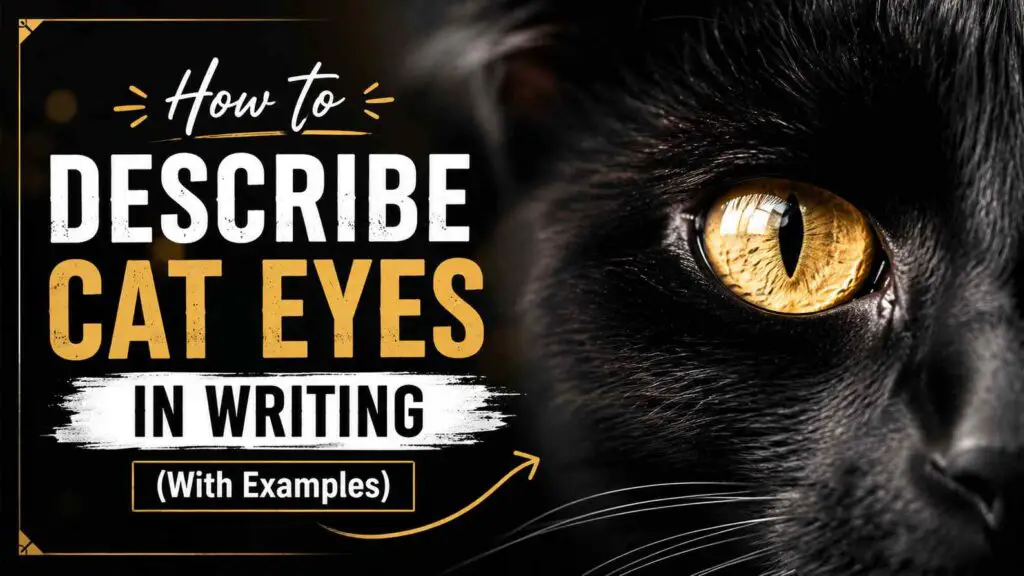
Cat eyes have fascinated writers for centuries because they are unlike the eyes of almost any other animal. Their unique shape, shifting pupils, reflective glow, and intense gaze make them a powerful detail that can instantly create mood and reveal personality. Whether the cat in your story is a beloved companion, a silent observer, or a mysterious creature lurking in the shadows, its eyes can communicate curiosity, intelligence, caution, affection, or even danger without a single action or sound.
Strong descriptions of cat eyes do more than tell readers what color they are. They invite readers to imagine how the eyes catch the light, how they change with emotion, and how they influence the atmosphere of a scene. A pair of bright green eyes peering through tall grass creates a very different impression than warm amber eyes blinking slowly from a cozy fireplace.
The key is to choose details that fit the tone of your story and the role the cat plays within it. By focusing on specific characteristics instead of relying on generic descriptions, you can make your writing more immersive and memorable.
The following techniques will help you describe cat eyes in ways that capture your readers’ attention and bring your scenes to life.
How to Describe Cat Eyes in Writing
Cat eyes are expressive because they constantly change with light, movement, and emotion. Their appearance can shift dramatically from one moment to the next, making them especially interesting to describe. Instead of focusing on only one characteristic, combine several details to create vivid, realistic descriptions that fit the mood of your story.
#1. Describe Their Shape
The distinctive shape of a cat’s eyes is often the first feature readers notice. Most cat eyes are almond-shaped with gently pointed corners that give them an elegant and alert appearance. Depending on the scene, emphasizing their shape can make the cat seem graceful, mysterious, calculating, or gentle. You can also describe how the eyes appear to narrow or widen, changing the expression on the cat’s face even before it moves. Paying attention to shape adds subtle personality and helps readers visualize the cat more clearly.
Examples:
The cat watched from the windowsill with narrow almond eyes, calm and unreadable.
Her eyes slanted upward at the corners, giving her face a look of quiet mischief.
#2. Describe Their Color
Eye color can say a great deal about the mood of a scene. While simply stating that a cat has green or amber eyes is perfectly acceptable, richer descriptions often compare the color to familiar objects or elements in nature. Colors can appear warmer in sunlight, colder in moonlight, or darker during moments of tension. By choosing descriptive comparisons, you create stronger mental images and make the eyes more memorable. The same green eyes might resemble fresh leaves in one scene and polished emeralds in another, depending on the atmosphere you want to create.
Examples:
His eyes were the color of old gold, bright and ancient in the dim room.
The kitten blinked up at me with blue eyes as soft as morning mist.
#3. Describe the Pupils
One of the most fascinating features of cat eyes is the way their pupils constantly change. In bright light they become thin vertical slits, while in darkness they expand until almost the entire eye appears black. These changes are not only realistic details but also excellent tools for showing emotion and attention. Narrow pupils may suggest focus, alertness, or irritation, while wide pupils can indicate excitement, fear, surprise, or intense curiosity. Including pupil movement makes your descriptions feel dynamic rather than static.
Examples:
Her pupils narrowed to black threads as the sunlight poured across the floor.
In the dark hallway, the cat’s pupils opened wide, swallowing nearly all the green.
#4. Describe the Glow
Cat eyes are famous for their ability to reflect light, often appearing to glow in darkness. This natural effect can create many different emotional responses depending on the context. In a peaceful scene, glowing eyes may seem magical or enchanting. In a suspenseful scene, the same glowing eyes can feel unsettling or frightening. Describing how the light catches the eyes helps establish atmosphere and gives readers a memorable visual image that lingers long after the scene ends.
Examples:
Two green sparks appeared beneath the porch, steady and silent.
The cat’s eyes glowed in the corner like coins catching moonlight.
#5. Describe Their Movement
Cat eyes are constantly observing the world with remarkable precision. They dart toward movement, lock onto prey, follow tiny objects, or remain perfectly still during a long stare. Slow blinks can communicate trust and relaxation, while unbroken eye contact may suggest confidence or curiosity. Describing these subtle movements helps bring the cat to life because readers can imagine not only what the eyes look like but also how they behave. These details make scenes feel more natural and engaging.
Examples:
His eyes followed the moth with perfect patience, never blinking once.
The cat gave one slow blink, as if granting permission to stay.
#6. Describe the Emotion in Them
Although cats cannot express emotions exactly as humans do, writers often use their eyes to suggest feelings and intentions. Readers naturally interpret expressions through the eyes, making them a useful storytelling device. Depending on the context, a cat’s gaze might appear affectionate, cautious, irritated, playful, proud, lonely, or wise. The surrounding actions and setting help reinforce these emotional impressions. Thoughtfully describing emotion allows readers to connect more deeply with the cat as a character.
Examples:
Her golden eyes held a look of offended dignity.
The old cat gazed at me with tired green eyes, full of patient understanding.
#7. Compare Them to Objects or Nature
Similes and metaphors are among the easiest ways to make descriptions of cat eyes more vivid. Comparing the eyes to gemstones, fire, lanterns, water, leaves, stars, or other natural elements creates a stronger visual image than using plain adjectives alone. Choose comparisons that match the tone of your story. A comparison to polished jade may emphasize elegance, while comparing the eyes to burning coals creates a more intense and dramatic effect. Fresh comparisons help your descriptions feel original and memorable.
Examples:
His eyes shone like polished jade in the afternoon light.
The cat’s amber eyes burned like two small lanterns in the rain.
#8. Match the Description to the Mood
The same pair of cat eyes can create completely different impressions depending on the language surrounding them. Warm, gentle words make the eyes feel comforting and familiar, while darker, sharper language can transform them into symbols of mystery or danger. Always consider the emotional tone of the scene before choosing your description. Matching the details to the atmosphere helps the imagery support the story instead of distracting from it, making your writing more immersive and emotionally effective.
Examples:
The cat blinked sleepily, her warm amber eyes soft with trust.
From the black mouth of the alley, two yellow eyes stared without mercy.
Closing Thoughts
Describing cat eyes well means paying attention to more than color. Shape, light, pupils, movement, and mood all help bring the image to life.
A simple phrase like “green eyes” can work, but a richer description can reveal character, atmosphere, and emotion. Whether the cat is sweet, wild, magical, or unsettling, its eyes can become one of the most memorable details in the scene.