
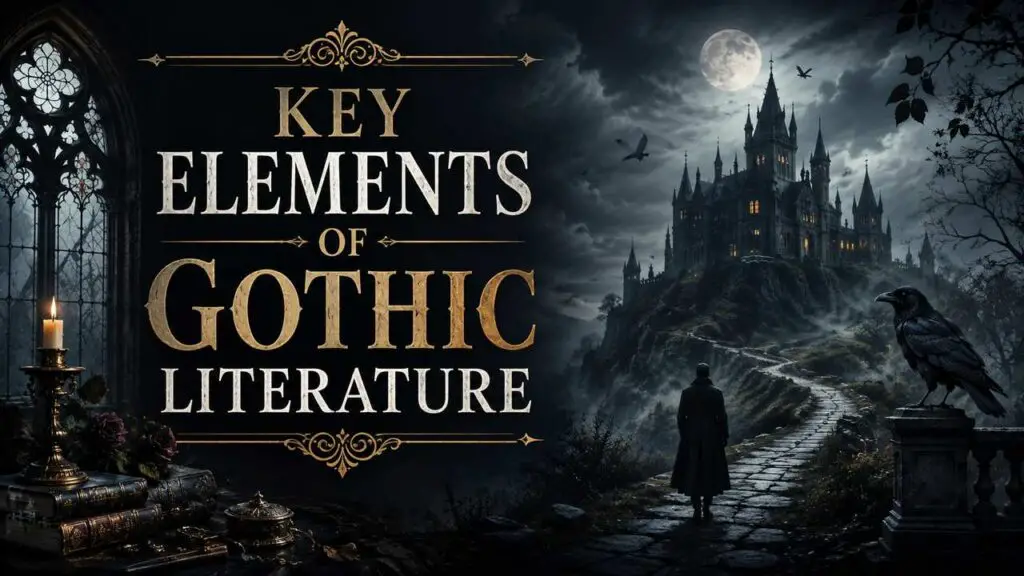
Gothic literature is one of the most haunting and powerful traditions in storytelling. It draws readers into dark castles, ruined houses, mysterious landscapes, and troubled minds. It is a genre built on fear, suspense, mystery, and emotional intensity.
At its best, Gothic literature does more than frighten readers. It explores hidden guilt, forbidden desire, family secrets, social decay, madness, isolation, and the thin line between the real and the supernatural. These stories often feel dramatic and unsettling because they bring buried fears into the open.
What is Gothic Literature?
Gothic literature is a genre of fiction that combines horror, mystery, romance, and psychological tension. It often features dark settings, supernatural events, emotional suffering, and characters haunted by secrets from the past.
The genre became popular in the late eighteenth century with works like The Castle of Otranto by Horace Walpole. Over time, Gothic literature developed into a major literary tradition, influencing novels such as Frankenstein, Dracula, Jane Eyre, Wuthering Heights, and many modern horror and psychological thrillers.
Gothic stories often create a mood of dread. They make the reader feel that something is wrong, hidden, or waiting to be revealed. This atmosphere is one of the main reasons Gothic literature remains so memorable.
Key Elements of Gothic Literature
Gothic literature uses several recurring elements to create fear, suspense, and emotional depth. These elements work together to build a world that feels mysterious, dangerous, and psychologically intense. The most important elements of Gothic literature include the following.
#1. Dark and Mysterious Settings
The setting is one of the most important parts of Gothic literature. Gothic stories often take place in castles, old mansions, monasteries, ruins, graveyards, isolated villages, or wild landscapes. These places are rarely peaceful. They feel threatening, forgotten, or filled with secrets.
A dark setting creates atmosphere. A crumbling castle may suggest family decay. A locked room may hint at a hidden crime. A lonely moor may reflect emotional isolation. The physical place often mirrors the inner condition of the characters.
Gothic settings also make characters feel trapped. They may be cut off from society, surrounded by darkness, or unable to escape a dangerous house or family. This sense of confinement increases fear and tension throughout the story.
#2. An Atmosphere of Fear and Suspense
Gothic literature depends heavily on mood. The reader is often made to feel anxious before anything terrible happens. Strange sounds, shadows, storms, whispers, and unexplained events all help create suspense.
This atmosphere keeps the reader uncertain. Is there really a ghost? Is the house haunted? Is the main character losing their mind? Gothic stories often delay clear answers, which makes the fear stronger.
Suspense in Gothic literature is not only about physical danger. It is also emotional and psychological. Readers may fear what will be discovered, what secret will be revealed, or what hidden truth the characters are trying to avoid.
#3. Supernatural or Unexplained Events
Many Gothic stories include supernatural elements such as ghosts, curses, vampires, monsters, prophecies, or haunted objects. These elements make the story feel strange and frightening.
However, Gothic literature does not always confirm whether the supernatural is real. Sometimes the events can be explained logically. At other times, the mystery remains unresolved. This uncertainty is part of what makes the genre powerful.
The supernatural often represents deeper fears. A ghost may symbolize guilt. A monster may represent human ambition gone too far. A curse may show how the sins of the past continue to affect the present.
#4. Emotional Extremes
Gothic characters often experience intense emotions. They may feel terror, grief, obsession, love, jealousy, guilt, anger, or despair. These emotions are usually dramatic and overwhelming.
This emotional intensity gives Gothic literature its power. Characters do not simply face external danger. They are often torn apart by inner conflict. Their feelings can become so strong that they lose control of their actions or judgment.
In many Gothic works, emotion becomes dangerous. Love can turn into obsession. Grief can become madness. Ambition can lead to destruction. This makes the genre deeply psychological as well as frightening.
#5. Secrets from the Past
Gothic literature often revolves around hidden secrets. These may include family scandals, forbidden relationships, murders, betrayals, lost identities, or crimes that were never punished.
The past is never truly gone in Gothic fiction. It returns through ghosts, memories, documents, dreams, or mysterious warnings. Characters may try to bury the truth, but the truth eventually rises again.
This focus on the past gives Gothic literature a strong sense of mystery. The reader wants to know what happened and why it still matters. The story often moves toward a revelation that changes everything.
#6. Isolation and Entrapment
Many Gothic characters are isolated. They may be physically trapped in a remote house, castle, or landscape. They may also be emotionally isolated, unable to trust others or speak openly about their fears.
Isolation makes characters vulnerable. Without help, they must face danger alone. This increases the sense of helplessness and dread.
Entrapment is also common. A character may be trapped by a villain, a family duty, a marriage, a curse, poverty, madness, or social expectations. Gothic literature often shows how terrifying it feels to lose freedom and control.
#7. Villains, Tyrants, and Dangerous Figures
Gothic stories often include powerful and threatening characters. These figures may be cruel fathers, controlling husbands, mysterious strangers, corrupt nobles, mad scientists, or supernatural beings.
The Gothic villain is often more than simply evil. Many Gothic villains are charismatic, intelligent, obsessive, or emotionally damaged. This makes them disturbing because they are both fascinating and dangerous.
These figures often represent abuse of power. They may control homes, families, bodies, secrets, or knowledge. Their presence creates fear because they threaten the freedom and safety of others.
#8. Madness and Psychological Conflict
Gothic literature often explores the human mind under pressure. Characters may experience hallucinations, paranoia, obsession, trauma, or emotional breakdowns.
This psychological element creates uncertainty. Readers may not know whether events are truly happening or whether they are shaped by fear and madness. This makes the story more complex and unsettling.
Madness in Gothic literature often reveals hidden truths. A disturbed mind may expose what society tries to hide. Through psychological conflict, Gothic stories explore guilt, repression, desire, and fear.
#9. Omens, Dreams, and Warnings
Gothic stories often include signs that suggest danger is coming. These may appear as dreams, visions, strange weather, broken objects, mysterious letters, or prophetic warnings.
These omens create a sense of fate. They make the reader feel that something terrible is unavoidable. Even when characters ignore the signs, the story continues moving toward disaster.
Dreams and visions are especially important because they blur the line between reality and imagination. They show the fears and desires hidden inside the characters’ minds.
#10. Death, Decay, and Ruin
Death is a major presence in Gothic literature. The genre often includes graves, corpses, funerals, ghosts, dying families, ruined buildings, and decaying landscapes.
Decay is not only physical. It can also be moral, emotional, or social. A ruined mansion may represent a ruined family. A dying bloodline may suggest the collapse of old power. A decaying body may remind readers of human weakness and mortality.
This focus on death and ruin gives Gothic literature its dark beauty. The genre invites readers to confront what is frightening, hidden, and unavoidable.
Closing Thoughts
Gothic literature remains powerful because it speaks to deep human fears. It explores darkness not only in haunted houses and ruined castles, but also in memory, desire, guilt, and the human mind.
The key elements of Gothic literature work together to create stories filled with mystery, suspense, and emotional intensity. Dark settings, secrets, supernatural events, isolation, madness, and decay all help build the unforgettable atmosphere of the Gothic tradition.
This is why Gothic literature continues to influence modern fiction, film, and popular culture. It reminds us that the most frightening stories are often not only about ghosts or monsters, but about the hidden fears people carry within themselves.