
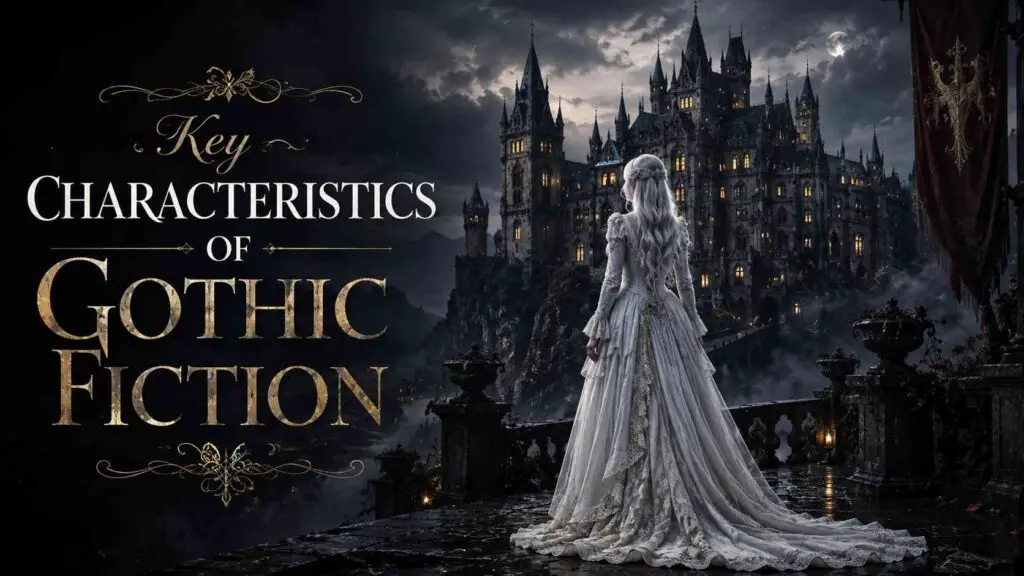
Gothic fiction is one of the most atmospheric and emotionally intense genres in literature. It draws readers into dark castles, haunted mansions, isolated landscapes, family secrets, strange events, and troubled minds. At its best, Gothic fiction does more than frighten. It explores fear, guilt, desire, madness, death, and the hidden forces that shape human behavior.
The genre has remained popular because it speaks to something deep in the human imagination. People are fascinated by mystery, danger, and the unknown. Gothic fiction takes these fears and gives them a dramatic setting, often blending psychological tension with supernatural possibility.
What is Gothic Fiction?
Gothic fiction is a literary genre that combines horror, mystery, romance, and psychological suspense. It often takes place in gloomy or isolated settings, such as castles, old houses, monasteries, ruins, graveyards, or remote landscapes. These settings create a mood of fear, decay, and uncertainty.
The genre became especially popular in the late eighteenth and nineteenth centuries. Classic works such as The Castle of Otranto, Frankenstein, Dracula, Jane Eyre, and The Fall of the House of Usher helped define its major themes and techniques.
Gothic fiction often presents characters who are trapped by secrets, family histories, forbidden desires, or supernatural forces. The story may include ghosts, monsters, curses, madness, imprisonment, or mysterious deaths. Yet the real power of Gothic fiction usually comes from atmosphere and emotion rather than simple shock.
Characteristics of Gothic Fiction
Gothic fiction has several defining features that give the genre its distinctive mood and power. These characteristics work together to create suspense, fear, emotional intensity, and a sense that something hidden or dangerous is always close by. The following are the most important characteristics of Gothic fiction.
#1. Dark and Mysterious Settings
One of the most recognizable characteristics of Gothic fiction is its dark setting. Gothic stories often take place in castles, mansions, monasteries, ruins, graveyards, prisons, forests, or remote villages. These places are rarely ordinary. They usually feel old, decaying, secretive, and dangerous.
The setting often becomes almost like a character in the story. A crumbling castle may suggest a dying family line. A locked room may represent a hidden crime. A stormy landscape may reflect the emotional state of the characters. The physical environment creates a mood of fear and uncertainty.
These settings also isolate the characters. They may be far from help, trapped by bad weather, or surrounded by unfamiliar people. This isolation makes every strange sound, shadow, or secret more frightening.
#2. Atmosphere of Fear and Suspense
Gothic fiction depends heavily on atmosphere. The goal is not only to tell the reader that something frightening is happening. The goal is to make the reader feel tension, dread, and unease.
Writers create this atmosphere through descriptions of darkness, silence, storms, strange noises, hidden passages, flickering lights, and mysterious figures. The suspense often builds slowly. The reader may not know whether the threat is real, imagined, supernatural, or psychological.
This uncertainty is central to Gothic fiction. The story often keeps readers asking questions. Is there really a ghost? Is the narrator losing their mind? Is the house haunted, or is someone hiding a terrible secret? This tension keeps the reader emotionally involved.
#3. Supernatural or Unexplained Events
Many Gothic stories include supernatural elements. These may include ghosts, vampires, demons, curses, prophecies, monsters, or haunted objects. The supernatural gives Gothic fiction its sense of mystery and danger.
However, not every Gothic story fully confirms the supernatural. Sometimes the strange events can be explained by madness, deception, coincidence, or fear. This ambiguity makes the genre even more powerful. The reader is left unsure whether the danger comes from outside forces or from the human mind.
Supernatural events in Gothic fiction often reveal hidden guilt, unresolved trauma, or moral corruption. A ghost may return because a crime has been buried. A curse may symbolize the consequences of past evil. A monster may represent the darker side of human nature.
#4. Emotional Intensity
Gothic fiction is filled with strong emotions. Characters often experience terror, grief, passion, obsession, jealousy, guilt, loneliness, and despair. These emotions are usually heightened and dramatic.
This emotional intensity helps separate Gothic fiction from ordinary mystery or horror. The fear in Gothic fiction is not only physical. It is also emotional and psychological. Characters may fear death, betrayal, madness, forbidden love, family shame, or the loss of control.
The emotional struggles of the characters often drive the plot. A character’s obsession may lead to destruction. A hidden guilt may create madness. A forbidden desire may bring danger. Gothic fiction shows how powerful emotions can consume people.
#5. Secrets from the Past
Gothic fiction often revolves around secrets. These secrets may involve family history, murder, betrayal, inheritance, hidden identity, forbidden relationships, or crimes that were never punished.
The past is rarely dead in Gothic fiction. It returns through letters, portraits, ghosts, old buildings, rumors, dreams, or confessions. Characters may try to hide the truth, but the truth slowly comes to the surface.
This focus on the past gives Gothic fiction its sense of depth and doom. The present is shaped by earlier sins or tragedies. A family may suffer because of an old curse. A house may carry the memory of violence. A character may be haunted by something they tried to forget.
#6. Haunted or Troubled Characters
Gothic fiction often features characters who are emotionally or psychologically troubled. They may be haunted by guilt, grief, fear, obsession, or trauma. Some characters are physically trapped, while others are mentally trapped.
The protagonist may be vulnerable, isolated, or uncertain about what is happening. The villain may be powerful, secretive, controlling, or morally corrupt. Gothic fiction often includes mysterious strangers, cruel guardians, disturbed family members, or dangerous lovers.
These characters create tension because they are not always easy to trust. A narrator may be unreliable. A charming figure may hide evil intentions. A victim may know more than they reveal. This uncertainty makes the story darker and more complex.
#7. Themes of Madness and Psychological Fear
Madness is a major theme in Gothic fiction. Many stories explore the fragile boundary between reason and insanity. Characters may see visions, hear voices, suffer nightmares, or become obsessed with terrifying ideas.
Psychological fear is often more disturbing than physical danger. A character may not know whether they can trust their own senses. The reader may also become uncertain. This creates a deep feeling of unease.
Gothic fiction uses madness to explore fear, guilt, repression, and inner conflict. Sometimes madness is caused by supernatural forces. Other times, it grows from isolation, grief, abuse, or moral corruption.
#8. Isolation and Entrapment
Characters in Gothic fiction are often isolated. They may be trapped in a castle, locked in a room, separated from society, or emotionally cut off from others. This sense of confinement increases fear and helplessness.
Entrapment can be physical, emotional, or social. A woman may be trapped in a forced marriage. A child may be trapped by family expectations. A man may be trapped by guilt or obsession. A family may be trapped by its own history.
Isolation makes danger feel more intense. When characters cannot escape or find help, the threat becomes more powerful. The reader feels the pressure closing in around them.
#9. Decay, Death, and Ruin
Gothic fiction often includes images of decay and ruin. Old houses crumble. Families decline. Bodies die. Traditions collapse. These images create a sense that everything is moving toward destruction.
Decay is not only physical. It can also be moral, emotional, or spiritual. A beautiful mansion may hide corruption. A noble family may be full of cruelty. A respected person may have a dark secret.
Death is also a constant presence in Gothic fiction. Graves, corpses, mourning, ghosts, and memories of the dead often shape the story. This focus on death gives the genre its dark beauty and seriousness.
#10. Conflict Between Reason and the Unknown
Gothic fiction often places reason against mystery. Characters may try to explain strange events logically, but they are confronted by things that seem beyond ordinary understanding.
This conflict creates much of the genre’s suspense. The reader is pulled between belief and doubt. The story may suggest a rational explanation, then introduce something that challenges it.
This struggle reflects a deeper human fear. People want the world to make sense, but Gothic fiction shows a world filled with hidden forces, buried truths, irrational desires, and terrifying possibilities.
Closing Thoughts
Gothic fiction remains powerful because it combines fear with emotional depth. Its dark settings, haunted characters, mysterious events, and psychological tension create stories that stay in the reader’s mind.
The genre is not only about ghosts, castles, or monsters. It is about what people fear, what they hide, and what happens when the past refuses to stay buried. Gothic fiction reveals the darkness outside and the darkness within, making it one of literature’s most enduring and fascinating genres.