
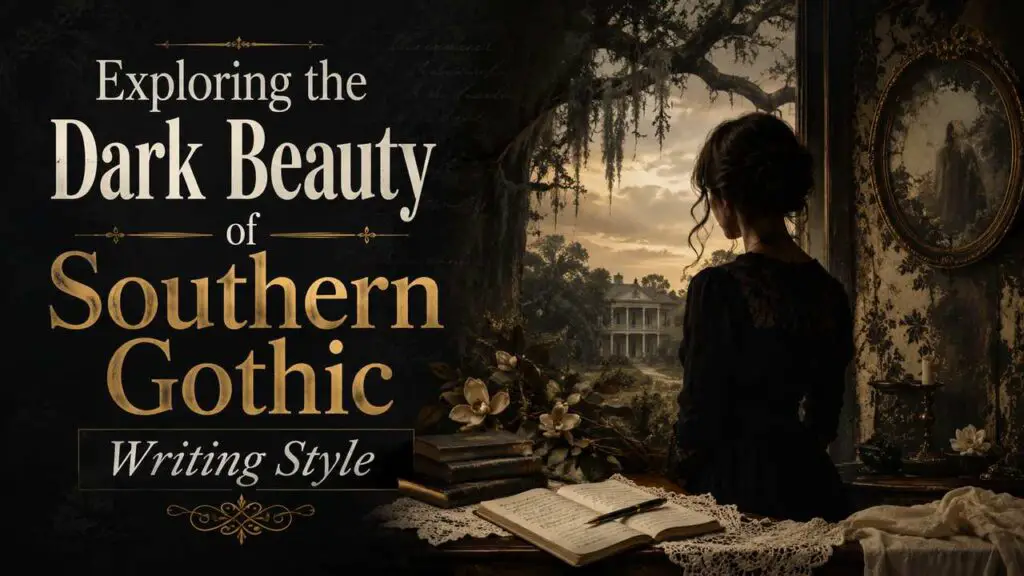
The southern gothic writing style is one of the most distinctive literary traditions in American literature. Known for its dark atmosphere, troubled characters, and haunting settings, it explores the complexities of life in the American South through a lens of decay, mystery, and moral conflict. Unlike traditional Gothic fiction, which often relies on castles and supernatural horrors, Southern Gothic finds its darkness in everyday realities such as social inequality, family dysfunction, religious tension, and the lingering effects of history. Its ability to blend beauty with tragedy continues to captivate readers and writers, making it one of the most influential literary styles in modern storytelling.
What Is the Southern Gothic Writing Style?
The southern gothic writing style is a literary genre that combines elements of Gothic fiction with the culture, history, and social realities of the American South. It uses dark themes, unsettling settings, and flawed characters to explore deeper truths about society and human nature.
While traditional Gothic literature often features haunted castles, supernatural creatures, and remote European landscapes, Southern Gothic relocates these elements to small Southern towns, decaying plantations, isolated farms, and forgotten communities. The horror is frequently psychological rather than supernatural, arising from human behavior, prejudice, guilt, and moral corruption.
The style is characterized by grotesque characters, decaying environments, religious symbolism, violence, family secrets, and a constant sense of unease. Through these elements, Southern Gothic writers expose the hidden flaws and contradictions within individuals and communities.
The American South plays a central role in shaping the genre. Its history of slavery, economic hardship, social divisions, and deeply rooted religious traditions provides rich material for stories that examine both personal and collective struggles.
Origins of Southern Gothic Writing Style
The Influence of Traditional Gothic Fiction
Southern Gothic literature evolved from the broader Gothic tradition that emerged in eighteenth-century Europe. Classic Gothic novels often featured dark castles, mysterious events, supernatural occurrences, and themes of fear and madness.
Southern writers adapted these Gothic elements to reflect their own cultural landscape. Instead of ancient castles, readers encounter abandoned mansions and crumbling plantations. Instead of supernatural monsters, the true horrors often stem from human cruelty, obsession, prejudice, and violence.
This adaptation allowed Southern writers to create stories that felt uniquely American while preserving the suspense and atmosphere that defined Gothic fiction.
Historical and Cultural Foundations
The Southern Gothic writing style is deeply connected to the history of the American South.
The legacy of slavery remains one of the genre’s most significant influences. Many Southern Gothic works confront the moral consequences of slavery and racial injustice, often revealing how the past continues to affect the present.
The Civil War and Reconstruction also shaped the genre. The collapse of the old Southern social order left behind economic decline, political instability, and cultural uncertainty. These themes frequently appear in Southern Gothic stories through ruined estates, struggling communities, and characters trapped by the past.
Religion plays an equally important role. The South’s strong Christian traditions create fertile ground for stories about sin, redemption, hypocrisy, and spiritual conflict. Many Southern Gothic characters struggle to reconcile their faith with their actions, creating powerful moral tensions.
Core Characteristics of the Southern Gothic Writing Style
Grotesque Characters
One of the defining features of Southern Gothic literature is its use of grotesque characters.
These characters often possess unusual physical appearances, disturbed psychological traits, or deeply flawed moral values. They may be eccentric, isolated, obsessive, violent, or emotionally damaged.
The purpose of grotesque characterization is not simply to shock readers. Instead, these characters reveal deeper truths about society and the human condition. Their flaws often expose hypocrisy, prejudice, greed, or spiritual emptiness within the communities around them.
By presenting exaggerated or abnormal individuals, Southern Gothic writers encourage readers to confront uncomfortable realities.
Decaying Settings
Settings play a crucial role in creating the atmosphere of Southern Gothic fiction.
Stories frequently take place in abandoned mansions, deteriorating plantations, dying towns, neglected churches, and overgrown landscapes. These environments are more than simple backdrops. They symbolize the decline of old social structures, fading traditions, and unresolved historical wounds.
The physical decay mirrors emotional and moral decay. Crumbling buildings often represent broken families, corrupted values, or societies unable to move beyond their troubled pasts.
These settings contribute to the eerie beauty that defines the Southern Gothic writing style.
Dark and Disturbing Themes
Southern Gothic literature explores some of humanity’s most troubling experiences.
Violence often appears unexpectedly, revealing hidden tensions within individuals and communities. Racism serves as a recurring theme, exposing the lasting impact of historical injustice. Poverty highlights social inequality and human desperation.
Isolation affects many Southern Gothic characters, separating them from society or trapping them within dysfunctional relationships. Madness and psychological instability frequently blur the line between reality and perception.
Death remains a constant presence, reminding readers of mortality, loss, and the consequences of human actions.
These themes create stories that are both unsettling and thought-provoking.
Religious Tension and Moral Ambiguity
Religion occupies a central place in many Southern Gothic works.
Characters often struggle with questions of faith, morality, and redemption. Some seek spiritual guidance, while others reject religious teachings or use them to justify harmful behavior.
The genre frequently explores the gap between public expressions of faith and private acts of cruelty or hypocrisy. This tension creates complex moral landscapes where good and evil are rarely clear-cut.
Rather than providing simple answers, Southern Gothic literature encourages readers to examine the complexities of human nature and ethical responsibility.
Supernatural and Mysterious Elements
Although Southern Gothic fiction is often grounded in reality, it frequently incorporates supernatural and mysterious elements.
Ghost stories, local legends, strange coincidences, and unexplained events contribute to the atmosphere of uncertainty. In some works, supernatural occurrences may be genuine. In others, they may reflect the fears, guilt, or psychological instability of the characters.
This ambiguity enhances the sense of mystery while allowing writers to explore emotional and symbolic truths.
The result is a style that balances realism with the possibility of something beyond ordinary understanding.
Techniques That Use the Southern Gothic Writing Style
Creating Atmosphere Through Setting
Atmosphere is one of the most important aspects of Southern Gothic writing.
Writers create mood through detailed descriptions of weather, landscapes, architecture, and sound. Sweltering heat, abandoned buildings, dense forests, and empty roads can all contribute to a sense of unease.
The setting often feels alive, influencing the emotions and actions of the characters.
Using Symbolism and Imagery
Southern Gothic literature relies heavily on symbolism to deepen meaning.
Decay often symbolizes moral corruption or social decline. Religious imagery may represent judgment, redemption, or spiritual conflict. Animals, weather patterns, and physical objects frequently carry symbolic significance.
Rich imagery allows writers to communicate themes indirectly while enhancing the emotional impact of the story.
Developing Flawed and Complex Characters
Southern Gothic characters are rarely perfect heroes or villains.
Instead, they possess strengths and weaknesses that make them feel realistic and unpredictable. Their personal struggles often reflect broader social issues, allowing readers to explore complex themes through individual experiences.
These layered characters create emotional depth and narrative tension.
Employing Irony and Dark Humor
Despite its serious themes, Southern Gothic literature often includes irony and dark humor.
Writers use humor to expose hypocrisy, challenge social norms, and highlight the absurdity of human behavior. Moments of comedy can make disturbing events even more powerful by creating unexpected contrasts.
This blend of humor and darkness contributes to the genre’s unique voice.
Balancing Horror with Social Commentary
Southern Gothic writers use horror not merely to frighten readers but to reveal deeper truths.
The most effective stories combine suspense, violence, and mystery with thoughtful examinations of race, class, religion, family, and power. The frightening elements serve a larger purpose, encouraging readers to confront uncomfortable social realities.
This balance between entertainment and critique is one reason the genre remains influential.
How to Write in the Southern Gothic Writing Style
Build a Setting Filled with Decay
Choose locations that reflect decline, abandonment, or neglect. Old houses, forgotten towns, and deteriorating landscapes can create a strong Southern Gothic atmosphere.
To make the setting feel vivid, focus on sensory details. Describe peeling paint, warped floorboards, the smell of mildew, or the sound of insects buzzing in the heat. Let the environment feel oppressive or suffocating, as if it is pressing in on the characters.
Think about how the setting reflects the past. A once-grand plantation might now be overgrown and crumbling, hinting at lost wealth and buried history. A small town might appear quiet on the surface but carry signs of neglect and tension beneath.
Allow the environment to reinforce the themes and emotions of the story. If your story deals with guilt or decay, let the setting mirror that through physical deterioration and isolation.
Create Morally Complex Characters
Develop characters who possess both admirable qualities and serious flaws. Avoid simple heroes and villains.
Start by giving each character a clear desire or goal, then introduce obstacles that challenge their values. For example, a character might want to protect their family but be forced to make unethical choices to do so.
Give characters internal conflicts that force them to confront difficult moral choices. Show their thoughts, doubts, and justifications so readers understand why they act the way they do, even when their actions are troubling.
Consider how the character’s background shapes their behavior. Their upbringing, social status, and personal history should influence their decisions and worldview.
By layering strengths and weaknesses, you create characters who feel real and unpredictable, which is essential for Southern Gothic storytelling.
Explore Social and Cultural Tensions
Southern Gothic fiction often examines issues such as race, class, religion, family expectations, and historical trauma.
To incorporate these tensions effectively, ground them in the everyday lives of your characters. Show how these issues affect relationships, opportunities, and personal identity rather than simply stating them.
Use dialogue and interactions to reveal conflict. For example, a conversation at a family dinner might expose generational differences or hidden prejudices.
Research the historical and cultural context of your setting to ensure authenticity. Understanding the social dynamics of the American South will help you portray these tensions with depth and accuracy.
Incorporating these elements thoughtfully can add realism and emotional weight to your story.
Use Symbolism to Deepen Meaning
Objects, settings, and recurring images can carry symbolic significance.
Choose symbols that connect naturally to your story. For example, a decaying house might represent a collapsing family, or a recurring storm might symbolize emotional turmoil.
Introduce symbols gradually and repeat them in different contexts so they gain meaning over time. Avoid explaining the symbolism directly; instead, let readers interpret its significance through patterns and associations.
Pay attention to how symbols interact with characters. A character’s reaction to a symbolic object can reveal their inner state or transformation.
Effective symbolism adds layers of interpretation without requiring lengthy explanations.
Embrace Darkness Without Losing Humanity
While Southern Gothic stories often explore disturbing subjects, they remain grounded in human experiences and emotions.
When writing dark scenes, focus on the emotional impact rather than just the shock value. Show how events affect your characters internally, including fear, guilt, regret, or confusion.
Even deeply flawed characters should possess motivations and vulnerabilities that readers can understand. Give them moments of reflection, tenderness, or doubt to balance their darker actions.
Avoid making the story relentlessly bleak. Small moments of connection, memory, or hope can make the darker elements more powerful by contrast.
This balance creates stories that are both haunting and meaningful, allowing readers to engage with the darkness while still connecting to the humanity within it.
Conclusion
The southern gothic writing style combines dark themes, decaying settings, grotesque characters, and moral complexity to create a powerful literary tradition. Rooted in the history and culture of the American South, it explores issues such as prejudice, faith, violence, and social decline through stories that are both unsettling and deeply insightful.
Its unique blend of beauty, darkness, and social commentary continues to inspire readers and writers alike. Whether studying classic works or creating original fiction, exploring the southern gothic writing style offers valuable insight into one of literature’s most fascinating and enduring genres.